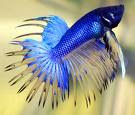
Caring For Betta Fish - White Spot
Labels: betta fish, caring for betta fish, fish disease, ich, ick, parasite, White spot
Articles and tips about caring for your betta fish
Labels: betta fish, caring for betta fish, fish disease, ich, ick, parasite, White spot
What is the best water to use in your betta fish tank?
Labels: bottled water, caring for betta fish, tank, tap water, water

Labels: betta fish, care, caring for betta fish, tank

Labels: betta fish, caring, iPond
Giving betta fish Prozac?
Labels: betta, Betta Splenden, Fighting, fish, prozac
Here are some terms commonly used when talking about fish and aquariums (betta fish and other fish too!).
Labels: betta, Betta Splenden, fish, glossary, Siamese Fighting Fish, terms
Most people first start breeding betta fish to see the breeding process themselves and see if they can do it. There are some people who breed betta fish solely to sell them but most got addicted after successfully breed their first batch of betta fry and sell their betta fish to support their habit! You see, a bettas color depends on its parents, so it becomes very addicting trying to match a male betta and a female betta with just the right coloring to complement each other.
Labels: betta, breed, breeding, Fighting, fish, Siamese, Siamese Fighting Fish
In the wild Betta fish subsist almost exclusively on insects and insect larvae, they even have an upturned mouth that is well suited to snatching any unsuspecting insect that might fall into the water. Internally a bettas digestive system is geared for meat, and for this reason, live foods are the ideal diet for the betta, however they will adapt to eating flake foods and frozen and freeze dried foods. Brine shrimp, Daphnia, tubifex, glassworms and plankton are all excellent options that may be found frozen or freeze dried. If flake food is fed, it should be supplemented with frozen and freeze-dried foods, and when possible live foods.
Labels: betta, Betta Splenden, diet, Fighting, fish, food, Siamese